






Many researchers in the United States have finished eating turkey and begun shopping, but their work continues. Here’s what people around the world have been doing to fight aging in November.
Interviews
 George Church on Building “Scientific Superintelligence”: This involves creating an array of AI models and building huge robotic labs to quickly test AI-generated hypotheses and feed the data back into the model.
Advocacy and Analysis
If Death Were Optional, Would You Still Choose It?: The idea of living longer, healthier lives thanks to rejuvenation biotechnology has steadily become more common, but the answers to questions about it depends on how they are presented.
 The Key Questions of Longevity Research: In GeroScience, a large team of researchers, including João Pedro de Magalhães, has described a hundred currently unsolved problems in the field.
Research Roundup
Skin Aging Underlined by Loss of Capillary Macrophages: A new study ties the disappearance of capillary-associated macrophages to age-related vascular degeneration in the skin.
 Rapamycin May Delay Age-Related Fertility Decline: In a recent study, researchers identified that an increase in the expression of ribosome-related genes and a loss of protein homeostasis contribute to the age-related decline in female fertility.
EDA2R May Be an Aging Biomarker and Inflammaging Target: A review in Aging Cell has cataloged the harmful effects of EDA2R, a protein that affects three distinct inflammation-related pathways.
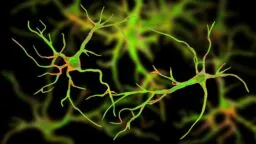 Mice With Reduced Astrocytic Oxidative Stress Live Longer: Directly reducing the production of reactive oxygen species at their source in astrocytes, mitochondrial complex III, improves neuronal health and significantly increases lifespan in a mouse model of Alzheimer’s.
High-Fiber Foods May Fight T Cell Senescence: Researchers have discovered that butyrate, a short-chain fatty acid with well-documented gut benefits, fights senescence in T cells.
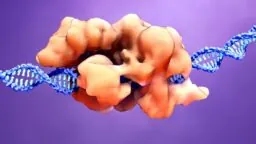 New Gene Therapy Robustly Lowers LDL and Triglycerides: A new Phase 1 trial produced encouraging safety and efficacy results for a CRISPR-based gene therapy that silences a gene important for lipid regulation.
Multilingualism Is Associated With Delayed Aging: The protective effect of speaking one foreign language diminished with age, while the protective effect of speaking two or more foreign languages was more robust with aging
 NAD+ Rescues Mouse Tauopathy by Fixing Alternative Splicing: A new study reveals a surprising mechanism that might be behind the beneficial effects of NAD+ in preclinical models of Alzheimer’s disease.
A Sarcopenia-Related MicroRNA May Help Pinpoint Its Origin: In Aging Cell, researchers have discovered a potential way to use a microRNA to diagnose sarcopenia, the age-related loss of muscle.
 Improved Stem Cells Rejuvenate the Brains of Monkeys: Scientists have genetically modified human mesenchymal progenitor cells to express a more potent version of the “longevity gene” FOXO3, producing rejuvenative effects in monkeys, mice, and human cells.
The Impact of Plant Polyphenols on Ovarian Aging: A recent review in the Journal of Ovarian Research summarizes current knowledge of the impact of various polyphenols on different aspects of ovarian aging.
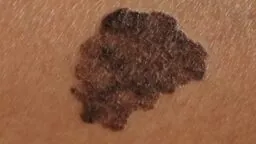 How Senescent Cells Encourage Melanoma Growth: Researchers publishing in Aging Cell have documented a key reason why older people are much more likely to get melanoma, finding that it is directly attracted to senescent cells.
Nanoparticles Improve Intercellular Mitochondrial Transfer: Scientists have created “nanoflowers” that nudge donor cells to produce more mitochondria, which can then be transferred to recipient cells to boost their mitochondrial function.
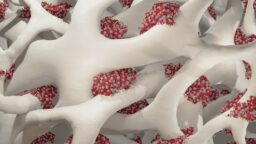 Fixing Lysosomes Improves Blood Stem Cell Function: In a recent study, scientists have demonstrated that lysosomal dysfunction actively decreases the potency of hematopoietic stem cells. Calming lysosomes reversed this process, opening avenues for new treatments.
The Roles of Phenylalanine and Tyrosine in Lifespan: Using UK Biobank data, the researchers reported an association between tyrosine and shorter lifespan, with sex-specific differences. The results for phenylalanine were more inconsistent.
 An AI-Based System Has Found a Potential Longevity Drug: Prof. Vadim Gladyshev and a team of researchers have used an artificial intelligence-based system to discover a wide variety of potential interventions, including a drug that significantly improves biomarkers of frailty in mice.
A Subtype of T Cells Counters Senescence in Mice: Scientists have discovered that a cytotoxic subtype of CD4 T cells, which is enriched in old people, helps control cellular senescence.
A collagen amino acid composition supplementation reduces biological age in humans and increases health and lifespan in vivo: Oral supplementation in humans demonstrated improved skin features within three months and a reduction in biological age by 1.4 years (p = 0.04) within 6 months.
Body-wide multi-omic counteraction of aging with GLP-1R agonism: These findings have broad implications for the mechanisms behind GLP-1RAs’ pleiotropic benefits, guiding clinical trials, and informing the development of anti-aging-based therapeutics.
NAD+ reverses Alzheimer’s neurological deficits via regulating differential alternative RNA splicing of EVA1C: NAD+ reduces Alzheimer’s pathologies, at least partially, via amplification of the NAD+-EVA1C splicing axis, pointing to a potential splice-switching therapy for Alzheimer’s.
Organ-specific proteomic aging clocks predict disease and longevity across diverse populations: The brain aging clock further stratified Alzheimer’s disease risk across APOE haplotypes, and a super-youthful brain appears to confer resilience to APOE4.
Human Umbilical Cord Plasma Metabolomics Uncover Potential Metabolites for Combating Aging: These findings provide novel insights into the distinctive characteristics of the human cord plasma metabolome and identify promising metabolites with therapeutic potential for antiaging and other cord blood-based medical applications.
Nasal Mucosa-Derived Extracellular Vesicles as a Systemic Antiaging Intervention: These findings support the translational potential of nmEVs as a multifaceted therapeutic candidate for systemic aging intervention.
Low-dose ionizing radiation promotes lifespan extension and stress resistance of C. elegans via DAF-16/SKN-1 mediated adaptive response: This work identifies a critical regulatory network that drives lifespan extension and stress resistance in C. elegans, and provides candidate targets and mechanistic insights for preventive interventions.
Reporting quality, effect sizes, and biases for aging interventions: a methodological appraisal of the DrugAge database: Although anti-aging interventions may have different effects depending on when they are started, most studies began giving the intervention under investigation very early in the organism’s lifespan.
Life-extending interventions do not necessarily result in compression of morbidity: a case example offering a robust statistical approach: This framework offers a valuable tool for future studies, and further refining this method will be crucial to determine under which circumstances lifespan extension leads to morbidity compression.
Targeting RhoA nuclear mechanoactivity rejuvenates aged hematopoietic stem cells: Together, these data outline an intrinsic RhoA-dependent mechanosignaling axis, which can be pharmacologically targeted to restore aged stem cell function.
Anti-uPAR CAR T cells reverse and prevent aging-associated defects in intestinal regeneration and fitness: These findings reveal the deleterious role of uPAR-positive cells on intestinal aging in vivo and provide proof of concept for the potential of targeted immune-based cell therapies to enhance tissue regeneration in aging organisms.
Machine learning predicts lifespan and suggests underlying causes of death in aging C. elegans: Different life-extending treatments result in distinct patterns of suppression of senescent pathology.
REVIVE: a computational platform for systematically identifying rejuvenating chemical and genetic perturbations: When applied to a large-scale in silico screen of more than 10000 compounds and genetic perturbations, REVIVE recapitulates known interventions as well as 477 novel compounds that restore a more youthful transcriptional state.
News Nuggets
 Insilico Unveils Portfolio of Unique Cardiometabolic Assets: Insilico Medicine, a clinical-stage drug discovery and development company, announced the launch of its innovative cardiometabolic disease portfolio of unique highly-differentiated molecules discovered using generative AI.
Vincere Biosciences Awarded $5 Million Grant: Vincere Biosciences announced the receipt of a $5 million grant from The Michael J. Fox Foundation for Parkinson’s Research through its Therapeutics Pipeline Program.
View the article at lifespan.io


