






For many hundreds of years, Easter has been associated with rebirth and rejuvenation. Let’s see what’s been done last month to rejuvenate animals and people.
Team and Activities
Support the Human Ageing Genomic Resources: João Pedro de Magalhães has launched a fundraiser to help maintain this database, which has supported thousands of scientists worldwide in aging and longevity research. With over 200,000 visitors per year and 1,000+ citations, it has become the benchmark platform in the biology of aging.
Advocacy and Analysis
 When Doctors Prescribe Horoscopes: The Trouble With Biological Age Tests: In this op-ed, Dr. Matt Kaeberlein takes the stance that most common biological aging tests do not actually measure aging.
Cellular Senescence and Senotherapeutics: The Expert Roundup: We asked four leaders of senescence-focused biotech companies to discuss what drew them to the field, what makes their approaches unique, the obstacles they face on the path to the clinic, and what senotherapeutics might ultimately achieve for human health.
Research Roundup
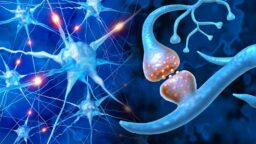 Novel Mechanism for Parkinson’s Is Linked to ATP Deficiency: Scientists have discovered that ATP deficiency disrupts dopamine processing in synapses, leading to the accumulation of the harmful protein species that characterize Parkinson’s disease.
Resistance Exercise Training Slows Down Brain Aging: Using models that analyzed MRI images of the brains of elderly people, researchers concluded that both heavy and moderate resistance training slow brain aging.
 How Inflammaging Makes Pneumonia Worse in Mice: Researchers publishing in Aging Cell have discovered how older organisms’ susceptibility to pneumonia is related to inflammatory factors.
Fat Composition Affects T Cell-Mediated Immunity: Scientists have found that the ratio between poly- and monounsaturated fatty acids affects the viability of T cells as well as both humoral and anti-tumor immunity.
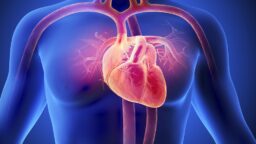 A Review of How the Heart Ages: The European Heart Journal has published a review of what happens to the human heart as it ages, noting the cellular effects of mitochondrial dysfunction and cellular senescence along with more visible changes such as hypertrophy and fibrosis.
Scientists Successfully Freeze and Rewarm Mouse Brain Slices: Researchers have vitrified mouse brain slices and then a complete brain with encouraging results: upon rewarming, much of the neuronal function was preserved.
 People With Positive Outlooks Have Better Aging Outcomes: These researchers reported that a significant number of older adults who participated in the study experienced an improvement in cognitive and/or physical functioning.
The Many Dangers of 7-Ketocholesterol: A group of researchers, including Matthew O’Connor of Cyclarity Therapeutics, has published a review detailing what effects 7-ketocholesterol (7KC) has in the human body.
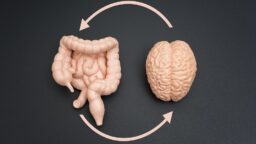 Gut Bacteria Might Affect Cognition via the Vagus Nerve: A new study suggests that microbiome remodeling is a mechanism behind age-related cognitive decline, with one particular bacterial species identified as the likely culprit. In mice, antibiotics seem to reverse this effect.
How Zinc Protects Injured Arteries From Accelerated Aging: Researchers publishing in Aging Cell have discovered that the nuclei of the cells that line injured arteries quickly become misshapen. Delivering zinc to these cells partially alleviates this dysmorphism.
 Study Links a Gut Bacterium to Increased Muscle Strength: Scientists have found a positive correlation between the abundance of the bacterium Roseburia inulinivorans in the gut and muscle strength in mice and humans, although the mechanism behind it is still unclear.
Negative Interactions Are Associated With Faster Aging: A new study reported an association between having more problematic people in close networks and increased biological aging.
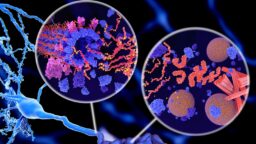 Using mRNA to Fight Tau Aggregation in Alzheimer’s: Researchers publishing in Cell Reports Medicine have described the development of a lipid nanoparticle that delivers mRNA to neurons in order to stop the formation of tau aggregates and fight Alzheimer’s disease.
Meat Consumption May Benefit APOE4 Carriers: A new study has found a negative association between unprocessed meat consumption and cognitive decline in carriers of the “pro-Alzheimer’s” APOE ε4 allele.
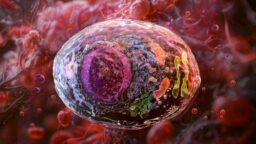 In Vivo Created CAR T Cells Eliminate Tumors in Mice: An ingenious CRISPR-based tool was used to create CAR T cells in vivo instead of the usual in vitro approach. It showed higher efficacy across three cancer types, including a solid tumor.
Two Polyunsaturated Lipids Demonstrate Senolytic Activity: A new study identified two polyunsaturated fatty acids, α-eleostearic acid (α-ESA) and α-ESA methyl ester (α-ESA-me), that showed senolytic activity in cell cultures and a mouse model.
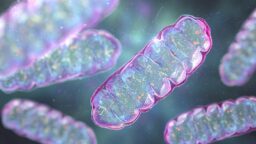 Mitochondria Delivery Method Rescues Parkinson’s in Mice: Scientists used red blood cells as membrane donors to encapsulate healthy mitochondria and send them into diseased cells, achieving improvements across multiple models and conditions.
How a Growth Factor and SIRT1 Might Combat Disc Degeneration: Researchers publishing in Aging Cell have discovered that using FGF21 to upregulate the sirtuin SIRT1 delays spinal disc degeneration in a rat model.
 Modified Immune Cells Target Cancer’s Metabolic Signature: Arming NK and T cells with metabolite-sensing receptors enhances their ability to infiltrate tumors and improves cancer outcomes in mice.
Human microphysiological systems of aging recreate the in vivo process expediting evaluation of anti-geronic strategies: This chip recapitulates, in 4 days, aging-associated hallmarks that occur after decades of aging in people, including gene expression shifts and oxidative DNA damage.
Ultrasonic exposure enhances the body’s antioxidant capacity: This study is the first in the world to demonstrate enhanced antioxidant capacity in vivo through non-invasive intervention using ultrasound.
Lifelong behavioral screen reveals an architecture of vertebrate aging: These researchers suggest that aging involves discrete life stages rather than a gradual, continuous decline.
A hierarchy of causes of death in senescent C. elegans: Late-life pathologies can compete in a hierarchical fashion to cause death, such that removal of one cause of death can unmask another.
The glycolytic metabolite phosphoenolpyruvate restricts cGAS-driven inflammation to promote healthy aging: Here, the researchers show that phosphoenolpyruvate (PEP), a glycolytic metabolite, acts as a protective factor against age-related chronic inflammation.
A global metagenomic atlas of aging identifies a microbiota phase transition associated with disease risk: Overall, the global gut microbiome atlas uncovers a critical age transition phase, highlighting opportunities for microbiota-based therapies and offering novel insights into evolutionary dynamics during aging.
Astaxanthin, meclizine, mitoglitazone, pioglitazone, alpha-ketoglutarate, mifepristone, methotrexate, and atorvastatin-telmisartan do not increase lifespan in UM-HET3 mice: Despite prior evidence suggesting lifespan benefits, none of these tested compounds significantly increased lifespan in male or female mice.
Restoring circadian rhythms in the hypothalamic paraventricular nucleus reverses aging biomarkers and extends lifespan in male mice: Age-related circadian disruptions accelerate physiological decline and shorten lifespan. Enhancing circadian amplitude has emerged as a promising strategy for ameliorating age-associated disorders.
Metabolomic signatures of extreme old age: findings from the New England Centenarian Study: These results highlight metabolic pathways that may be targeted to promote metabolic resilience and healthy aging.
Comparing fourteen consensus biomarkers of aging: epigenetic pace of aging as the strongest predictor of mortality in BASE-II: In adjusted models of all-cause mortality, HGS, IL-6, standing balance, cognitive health, and the epigenetic clock (DunedinPACE) statistically significantly predicted mortality, with DunedinPACE emerging as the strongest predictor.
Biologically Younger Individuals, as Identified by MARK-AGE Biological Age Scores, Display a Distinct Favourable Blood Chemistry Profile Regardless of Age: These researchers discovered a dichotomy of correlations that may point to different roles of such markers: drivers versus bystanders of aging.
Longitudinal changes in epigenetic clocks predict survival in the InCHIANTI cohort: These findings suggest that dynamic changes in epigenetic aging reflect evolving health status and may serve as sensitive indicators for interventions aimed at extending healthspan and longevity.
Effects of daily multivitamin–multimineral and cocoa extract supplementation on epigenetic aging clocks in the COSMOS randomized clinical trial: Although the statistically significant but small effects of daily MVM supplementation on slowing biological aging are encouraging, additional studies are needed.
Inosine promotes erythrocyte metabolic reprogramming and restores oxygen release for rejuvenation via 2,3-BPG-PNP axis: Impaired glucose metabolic reprogramming resulting from decreased BPGM activity underlies red blood cell bioenergetic decline and is a novel hallmark of aging.
Vitamin C inhibits ACSL4 to alleviate ferro-aging in primates: This work establishes iron-related aging (ferro-aging) as a core, targetable mechanism of primate aging and positions vitamin C as a translatable geroprotective strategy.
Dietary rhythms and biological aging risk across multiple organs: This study revealed optimal meal timing and duration differ for biological aging across different organs, ages, genders, disease status, energy intake, and dietary quality.
Biological evidence of the life expectancy limit in human aging: The life expectancies of many countries are expected to reach the Japanese life expectancy of 87.5.
Avoidance of rejuvenation: a stress test for evolutionary theories of aging: With data from eusocial insects that can rejuvenate, the researchers present the idea that the avoidance of such rejuvenation is poorly explained by classic theories of aging in their standard formulations.
Aging is not a disease: an evolutionary and comparative biological reappraisal: Maintaining a clear conceptual distinction between time-dependent biological remodeling and pathological dysfunction may provide a more coherent basis for both scientific inquiry and therapeutic development.
News Nuggets
 Buck Institute Launches Healthspan Horizons: Healthspan Horizons is a new initiative designed to address one of the most urgent challenges in modern medicine: how to measure, understand, and extend healthspan.
BioAge Labs Provides Business Updates: BioAge provided financial results for the full year ended December 31, 2025 and business updates for the fourth quarter ended December 31, 2025.
 Rubedo Announces Positive Preliminary Results for RLS-1496: Rubedo announced preliminary results from a single-center, ascending-dose, randomized, double-blind, vehicle-controlled trial in patients with plaque psoriasis, atopic dermatitis, and skin aging.
Coming Up
Vitalist Bay 2026 Returns to Berkeley May 14–17: The Vitalism Foundation announces Vitalist Bay 2026, the world’s largest longevity festival, returning to the Lighthaven Campus in Berkeley, California from May 14–17, 2026.
 Xplore Program 2026: A Remote Summer Fellowship in Longevity: For the third summer in a row, Longevity Xplorer (LongX) is opening applications for the Xplore Program, a fully remote summer fellowship designed to help students and early-career professionals translate interest in longevity into practical experience.
Neuroscience of Vitality and Aging Conference in Boston: The Neuroscience of Vitality and Aging (NOVA) Conference is bringing together leaders from across neuroscience, biotechnology, policy, and investment to examine one of the most urgent questions in medicine today: how to preserve brain health across the lifespan and accelerate progress against neurodegenerative disease.
View the article at lifespan.io


